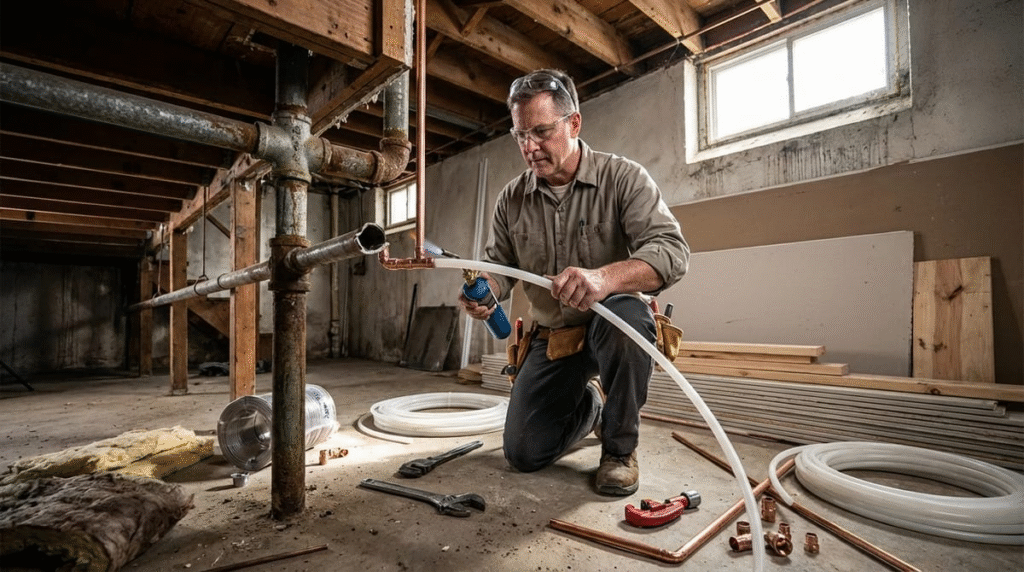
Toronto’s housing market is full of charming properties built decades ago, from Victorian townhouses to mid century family homes. While these properties offer character and prime locations, renovating older homes in Toronto often reveals hidden infrastructure challenges, particularly with plumbing and electrical systems. Aging pipes, outdated wiring, and older construction methods can complicate renovation projects and require significant upgrades to meet modern safety standards and building codes. Understanding these challenges before starting a renovation helps homeowners plan budgets, timelines, and permit requirements more effectively.
Why Plumbing and Electrical Systems Become Major Obstacles in Older Toronto Homes?
When contractors open walls in homes built 50 to 120 years ago, they often encounter systems that were never designed to support modern appliances or building codes. Some issues are obvious, while others only appear once demolition begins.
Common challenges include:
• Outdated wiring systems such as knob and tube wiring, which was widely used before the 1950s and is no longer considered safe for modern electrical demand.
• Galvanized steel plumbing pipes that corrode internally over decades, restricting water flow and increasing the risk of leaks.
• Insufficient electrical service capacity, many older homes still operate on 60 amp or 100 amp panels when modern homes require 200 amp service.
• Improper DIY modifications completed by previous owners without permits or inspections.
• Mixed plumbing materials, such as copper connected to galvanized steel or old cast iron drains connected to PVC.
• Lack of grounding and GFCI protection in kitchens, bathrooms, and outdoor outlets.
These conditions create more than inconvenience. They introduce safety risks and frequently force homeowners to expand the scope of their renovation. What begins as a kitchen remodel in Toronto can evolve into a whole house infrastructure upgrade once the condition of the systems becomes clear.
Experienced renovation companies evaluate these systems early in the planning stage so that costs and timelines are realistic.
Understanding Toronto Building Codes and Permit Requirements
Renovation work that affects plumbing or electrical systems in Toronto must follow strict regulations. These rules exist to ensure safety, water efficiency, and compatibility with city infrastructure.
Electrical work falls under the authority of the Electrical Safety Authority of Ontario (ESA). Any modifications to wiring, service panels, or circuits require proper permits and inspections. Homeowners are not legally allowed to perform most electrical work unless they are certified electricians or the work is inspected through ESA.
Plumbing modifications are regulated through the Ontario Building Code and enforced by Toronto Building. When relocating fixtures, replacing drain lines, or modifying water supply systems, permits are usually required. This includes projects such as adding bathrooms, basement renovations with new plumbing rough ins, or relocating kitchens.
Permits typically involve the following steps:
- Submitting renovation drawings that show plumbing and electrical changes
- Applying for building permits through Toronto Building
- Scheduling inspections during different construction phases
- Receiving final approval before closing walls and completing finishes
Ignoring these requirements can create serious consequences. Unpermitted work may cause insurance issues, failed home inspections during resale, or costly corrections ordered by city inspectors.
Professional renovation companies handle permit submissions and coordinate inspections to ensure compliance with Toronto regulations.
Typical Plumbing and Electrical Upgrades Found in Older Toronto Homes
| System Component | Common Problem in Older Homes | Modern Upgrade Solution | Approximate Cost Range (Toronto) |
| Electrical Panel | 60 or 100 amp service cannot support modern appliances | Upgrade to 200 amp panel | 3,500to3,500 to 3,500to6,500 |
| Wiring | Knob and tube or aluminum wiring | Full rewiring with grounded copper wiring | 12,000to12,000 to 12,000to25,000 |
| Plumbing Supply Lines | Galvanized steel corrosion and low water pressure | Replace with PEX or copper piping | 8,000to8,000 to 8,000to18,000 |
| Drain Systems | Aging cast iron stacks with internal rust | Replace sections with PVC or ABS piping | 4,000to4,000 to 4,000to12,000 |
| Bathroom Ventilation | Improper venting causing moisture issues | Install modern vent stacks and fans | 1,500to1,500 to 1,500to5,000 |
| Kitchen Electrical | Too few circuits for appliances | Dedicated circuits for dishwasher, oven, microwave | 2,000to2,000 to 2,000to6,000 |
| Basement Plumbing | No backwater protection | Install backwater valve per Toronto bylaws | 2,500to2,500 to 2,500to5,500 |
These upgrades are not purely cosmetic improvements. They protect the property, improve safety, and increase long term property value.
Homeowners planning large scale home renovations often address plumbing and electrical systems simultaneously. Doing so reduces demolition costs and prevents future disruptions.
Site Preparation and Infrastructure Assessment Before Renovation
Before any walls come down, professional renovation teams conduct a detailed infrastructure evaluation. This step is critical when renovating older homes in Toronto, because hidden problems can dramatically affect project costs.
The assessment process usually includes several stages:
- Electrical Load Analysis
Electricians calculate the electrical demand for modern appliances, HVAC systems, lighting, and home offices. This determines whether the current service capacity is adequate.
- Plumbing Camera Inspections
Drain cameras inspect underground sewer lines and interior stacks. Many older Toronto homes have partially collapsed clay pipes or tree root intrusions.
- Water Pressure Testing
Low pressure often indicates severe internal corrosion in galvanized pipes.
- Hazardous Material Screening
Homes built before the 1980s may contain asbestos insulation near old pipes or wiring, which must be safely removed.
- Structural Access Planning
Contractors determine how new pipes and wiring will be routed through framing without damaging structural elements.
These evaluations allow contractors to design renovation plans that anticipate complications rather than reacting to them mid project.
Plumbing System Challenges Unique to Toronto’s Housing Stock
Toronto’s historic homes were built using plumbing materials that are now outdated. Many Victorian and early 20th century houses still rely on cast iron drain stacks, which can corrode internally and restrict water flow after decades of use. Replacing these systems often requires opening multiple floors and coordinating structural adjustments during renovation.
Homes built in the 1950s and 1960s frequently contain galvanized steel water supply lines. These pipes gradually corrode inside, causing low water pressure and an increased risk of leaks. During major renovations, contractors typically replace these systems with modern PEX or copper piping to ensure long term reliability and compliance with current plumbing standards.
Electrical Safety Risks Found During Renovations
Electrical systems in older homes present some of the most serious safety concerns encountered during renovation projects.
Common hazards include:
• Knob and tube wiring, which lacks grounding and cannot safely support modern electrical loads.
• Aluminum branch wiring, used in the 1960s and 1970s, which expands and contracts more than copper and can loosen connections.
• Overloaded circuits, caused by modern appliances sharing wiring originally designed for minimal loads.
• Improper junction boxes hidden inside walls, often left behind during previous renovations.
• Lack of GFCI and AFCI protection, now required in kitchens, bathrooms, bedrooms, and basements.
• Outdated fuse panels, which do not provide the safety features of modern breaker panels.
Upgrading these systems improves both safety and insurance eligibility. Many insurance companies in Ontario require replacement of knob and tube wiring before issuing full coverage.
Electrical modernization also allows homeowners to incorporate smart home systems, EV chargers, modern HVAC systems, and high efficiency lighting.
Cost Planning for Plumbing and Electrical Renovations in Toronto
| Renovation Scope | Typical Project Description | Estimated Cost Range |
| Partial Electrical Upgrade | New circuits for kitchen renovation | 2,000to2,000 to 2,000to7,000 |
| Full House Rewiring | Removal of knob and tube wiring | 15,000to15,000 to 15,000to30,000 |
| Electrical Panel Upgrade | 100 amp to 200 amp service | 3,500to3,500 to 3,500to6,500 |
| Whole House Plumbing Replacement | Replace supply and drain systems | 12,000to12,000 to 12,000to25,000 |
| Basement Plumbing Installation | Add bathroom rough ins | 6,000to6,000 to 6,000to15,000 |
| Sewer Line Replacement | Replace damaged underground pipe | 8,000to8,000 to 8,000to20,000 |
Costs vary depending on home size, accessibility of walls and floors, and whether structural modifications are required.
Renovation specialists recommend allocating contingency budgets of at least 15 to 20 percent when dealing with older homes.
Professional Strategies to Minimize Renovation Surprises
Experienced renovation contractors follow several best practices to control risk and prevent unexpected cost overruns:
- Conduct detailed pre construction inspections, including drain cameras and electrical load calculations.
- Open exploratory wall sections early, allowing contractors to verify pipe and wiring conditions.
- Upgrade entire systems instead of patching small sections, which avoids repeated future renovations.
- Coordinate plumbing and electrical routing together, minimizing wall demolition.
- Work with licensed electricians and plumbers familiar with Toronto bylaws.
- Schedule inspections strategically, preventing delays in closing walls or installing insulation.
Companies that specialize in renovating older homes in Toronto understand the structural limitations and typical infrastructure problems within the city’s housing stock. Their experience allows them to anticipate issues that less experienced contractors might miss.
Conclusion
Upgrading plumbing and electrical systems is one of the most important steps when renovating older homes in Toronto. Aging infrastructure, outdated materials, and evolving building codes make these systems a priority during renovation planning. By working with experienced renovation professionals and ensuring compliance with Toronto regulations, homeowners can transform older properties into safe, efficient, and modern living spaces while preserving the character that makes Toronto homes so desirable.
