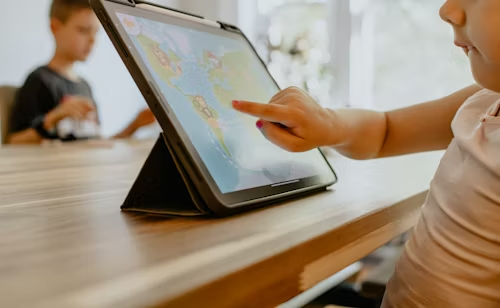
In today’s increasingly digital world, coding for kids has moved from being a niche interest to a foundational skill that empowers children academically, socially, and creatively. Whether they pursue technology in the future or not, learning to code helps children develop essential life skills—ranging from logical reasoning to expressive creativity. Modern platforms, online tools, and hands-on programs like those offered by institutes such as Exceed Robotics give children the opportunity to explore coding in fun and engaging ways while building a strong foundation for tomorrow.
This article explores how coding enhances creativity, strengthens logical thinking, and boosts confidence in kids, and why starting early can make a remarkable difference in their growth.
1. Coding Unlocks Creativity
Many people associate coding only with technical work, but at its core, coding is a deeply creative process. It allows children to transform ideas into reality through digital tools.
Turning Ideas Into Interactive Projects
Coding gives children the ability to build:
- Simple animations
- Interactive stories
- Video games
- Robots
- Mobile apps
When children code, they are not simply following instructions—they are inventing something new. Every project gives them the freedom to choose characters, colors, movements, storylines, and outcomes. This freedom nurtures imagination in a uniquely structured way, helping kids express their creativity through technology.
Experimentation and Innovation
Coding encourages trial and error, experimentation, and “what if” thinking. Kids can tweak their projects, test results, and build improved versions. This iterative process allows them to think creatively on how to solve problems and design better solutions.
Programs like robotics classes for kids (as offered by Exceed Robotics) combine physical building with programming, giving children a hands-on creative playground where imagination meets engineering.
2. Coding Builds Strong Logical Thinking Skills
Coding naturally requires children to think logically and break down problems into manageable steps. This is one of the greatest cognitive benefits of learning to code.
Understanding Cause and Effect
When programming, every action has a direct consequence. Kids learn that:
- Every command must be clear.
- Sequences matter.
- Small changes can affect the entire system.
This analytical approach strengthens their ability to predict outcomes and understand logical connections.
Enhancing Problem-Solving Abilities
Coding teaches children to:
- Identify a problem
- Understand why it happens
- Break it into smaller parts
- Test solutions
- Improve the outcome
These skills are useful far beyond the computer screen. Children who code often show improved performance in math, science, and even non-technical subjects like writing and planning.
Boosting Critical Thinking
Through debugging—fixing errors in their code—children learn how to evaluate information, identify mistakes, analyze patterns, and refine their reasoning. This practice helps shape a sharper, more structured mind capable of handling challenges calmly and intelligently.
3. Coding Builds Confidence and Independence
Confidence is one of the most valuable outcomes of early coding education. As children create projects, overcome challenges, and see results, they gain a sense of accomplishment that boosts self-esteem.
Achieving Goals Through Small Steps
Coding breaks tasks into smaller parts, and completing each part gives children a sense of progress. When they see their code working—whether a robot moving correctly or a game responding to commands—they feel successful and capable.
Encouraging Independence and Self-Learning
Because coding often involves exploring and experimenting, children learn to:
- Work independently
- Try new ideas
- Solve problems without fear
- Improve their work with persistence
This independence carries over into schoolwork and everyday decision-making.
Building Resilience
Coding teaches kids that mistakes are normal and part of the learning process. Instead of feeling discouraged when something does not work, they learn to fix it. This mindset builds resilience—a skill that helps them throughout life.
4. Coding Prepares Kids for the Future
The digital economy continues to evolve rapidly, and coding is becoming a core skill across multiple industries—not just in technology.
Future Career Opportunities
Fields like robotics, artificial intelligence, automation, cybersecurity, game design, and software development already require coding knowledge. Even jobs in healthcare, education, finance, and engineering increasingly rely on programming and digital literacy.
Learning coding early sets children up for career readiness and future academic success.
Understanding Technology Better
Kids today are surrounded by technology—smartphones, tablets, games, smart devices, and apps. Coding helps them understand how these technologies work, turning them from passive users into active creators.
Developing 21st-Century Skills
Coding naturally teaches important skills such as:
- Collaboration
- Communication
- Creativity
- Persistence
- Analytical thinking
These abilities are essential in almost every modern profession.
5. Fun and Engaging Learning Experience
What sets coding apart from many traditional subjects is how fun and interactive it can be. Coding platforms use colorful visuals, drag-and-drop tools, and game-like environments to make learning enjoyable for children.
Hands-On Robotics and STEM Programs
Institutes like Exceed Robotics provide robotics classes where children build real robots and program them to perform tasks. This combination of physical construction and digital creativity makes learning highly engaging.
Project-Based Learning
Children learn best when they create something meaningful. Coding offers endless project-based opportunities that keep kids motivated and excited.
Conclusion
Coding for kids is far more than a technical skill—it is a powerful tool that builds creativity, logical thinking, and confidence. It teaches children how to think, how to solve problems, and how to express themselves through technology. Whether through online coding apps or hands-on robotics classes, children gain valuable skills that prepare them for school, future careers, and real-life challenges.
As the world becomes more digital, giving children an early start in coding can shape their future in remarkable ways. It encourages imagination, strengthens the mind, and empowers them to become creators rather than consumers. Coding classes for kids lays the foundation for a more confident, capable, and creative future generation.
Suggestion Topics
Coding for Kids: A Beginner‑Friendly Guide to Fun and Learning
Why Coding for Kids Matters: Skills Every Child Should Learn
Top Benefits of Coding for Kids in Today’s Digital World
Coding for Kids: The Best Way to Prepare Children for Future Tech Careers

