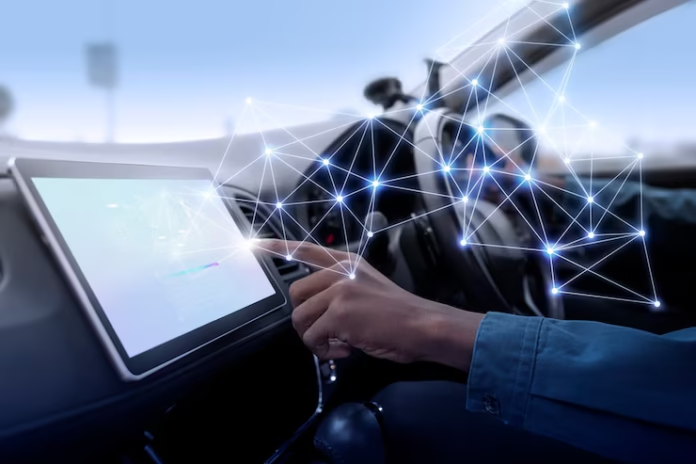
Modern cars are full of smart technology that makes driving easier, safer, and more comfortable. One of the most important features in today’s vehicles is the driver information module. This part of the car is responsible for showing you important data while you drive, like your speed, fuel level, warnings, and more.
In this article, you’ll learn what a driver information module is, what it does, why it matters, and how it helps you as a driver.
What Is a Driver Information Module?
A driver information module is a part of your car’s dashboard. It’s usually located right in front of the steering wheel and may also include a screen in the center of the dash. This module shows you live updates about how your car is doing. It pulls information from sensors and systems all over your vehicle and presents it in a way you can easily see and understand while driving.
Some people also call it the instrument cluster, dashboard display, or driver display system.
What Does the Driver Information Module Show?
The module is designed to show all the key things you need to know when driving. Here are the main types of information it usually displays:
1. Speed
It tells you how fast you’re going. Most displays use a digital number, but some cars still use an old-style speedometer needle.
2. Fuel Level
It shows how much fuel is left in your tank. Some cars also show an estimate of how many kilometers or miles you can drive before running out of gas.
3. Engine Temperature
It helps you see if your engine is getting too hot. If the engine overheats, the system will give you a warning.
4. Odometer
This shows how far your car has traveled since it was made.
5. Warning Lights
The module shows warning symbols if something is wrong. Common alerts include:
- Check engine
- Low oil pressure
- Low tire pressure
- Battery issues
- Door or trunk open
- Seatbelt not fastened
Extra Features in Modern Vehicles
Newer cars with digital or advanced displays can show much more than just the basics. Some extra features include:
1. Trip Information
You can see things like:
- How far you’ve driven during a trip
- How much fuel you used
- Your average speed
2. Maintenance Reminders
The display may tell you when it’s time for an oil change or tire rotation.
3. Navigation and Turn-By-Turn Directions
If your car has a GPS system, the module can show directions on the screen so you don’t need to look at your phone.
4. Safety Warnings
It can give alerts like:
- A car is in your blind spot
- You are drifting out of your lane
- You are too close to the car in front of you
How Does It Work?
The driver information module works by connecting to your car’s sensors and control units. These parts collect data from all over your vehicle, including:
- Wheels
- Engine
- Brakes
- Fuel tank
- Transmission
All that data gets processed and sent to the module, which then shows it to you on the screen or dashboard.
Types of Driver Information Displays
There are different types of displays depending on the car and its model:
1. Analog
These are the older types with needles and dials. They are simple and easy to read but don’t offer much detail.
2. Digital
Digital displays use screens, often LED or LCD. These can show a lot more information in a cleaner way.
3. Hybrid
Many cars today use a mix of analog and digital. For example, the speed may be shown with a needle, but the fuel range and temperature are on a screen.
4. Full-Screen Digital Displays
Luxury and modern cars may have a large digital panel that replaces all gauges. Some allow drivers to customize what they see.
Benefits of the Driver Information Module
The driver information module does more than just look cool—it helps you stay aware and safe. Here’s how:
1. Keeps You Informed
You don’t have to guess how much fuel is left or when you need service. Everything is shown clearly.
2. Improves Safety
Warnings and alerts tell you right away if something is wrong. This gives you time to fix it before it becomes dangerous.
3. Makes Driving Easier
Seeing your speed, directions, and trip info in one place means you can focus more on the road.
4. Customization
Some cars let you change what’s shown on the screen. You can pick what matters most to you—like seeing your music, phone calls, or fuel efficiency.
Common Problems with Driver Information Modules
Like any other part of a car, this system can have issues. Here are some common problems:
- The display stops working or goes blank
- Some numbers or graphics are hard to read
- Warning lights stay on when nothing is wrong
- Delay in showing new data
If you face any of these, it’s best to take the car to a mechanic. They can check if it’s a wiring issue, software glitch, or hardware failure.
Tips for Using Your Driver Information Module
Here’s how to make the most out of your driver information module:
- Check it before you drive: Glance at your dashboard when starting the car.
- Don’t ignore warning lights: They are there for your safety.
- Learn your car’s symbols: Every car has its own set of icons. Read the manual or search online if you don’t know one.
- Customize when possible: If your car allows it, choose the data you want to see.
- Keep the screen clean: Dust and fingerprints can make it hard to see information.
The Future of Driver Information Modules
As cars get smarter, so will the modules. Some future features may include:
- Head-up displays: Info is shown on your windshield.
- Voice interaction: Talk to your car and get updates.
- Augmented reality: Real-world objects like road signs can be highlighted on screen.
- AI predictions: Your car may suggest breaks, warn about road conditions, or predict part failures.
Final Thoughts
The driver information module is one of the most useful parts of your car’s tech system. It keeps you informed about your car’s health, helps you drive safely, and adds comfort to your trips. Whether your car has a basic setup or a high-end digital display, understanding how to use it can make your driving experience much better.
https://tedbakercanada.ca/

, its role in modern vehicles, and how it enhances your driving experience by providing essential information and alerts.)