You know what’s wild? Five years ago, my neighbor knocked down a perfectly decent $800K house to build something completely different. I thought he was nuts. Now? I get it.
Walking through Vaughan today feels like watching a city reinvent itself one driveway at a time. Houses that looked impressive in 2015 suddenly seem… ordinary. Because right next door, someone’s building their dream home with 20-foot ceilings and walls that disappear into the backyard.
I’ve lived here for twelve years, watched the bulldozers come and go, talked to probably fifty homeowners about why they chose custom over buying existing. Their stories fascinate me, especially since most of them echo the same theme: life got complicated, and cookie-cutter houses just couldn’t keep up.
Why Everyone’s Going Custom (And It’s Not What You Think)
Here’s the thing nobody tells you about custom homes – it’s rarely about showing off. Sure, some people want the biggest house on the block, but most families I know went custom because they needed something specific that didn’t exist.
Take my friend Lisa. She’s got twin teenagers, aging parents who visit for months at a time, and runs a consulting business from home. Try finding that layout in a regular subdivision. Her custom build has separate entrances, soundproof office space, and a main floor suite that transforms from guest room to parent care when needed.
Or consider the Sharma family down the street. Both parents work crazy hours in tech, but they wanted their kids to feel connected to extended family back in India. Their custom kitchen opens to a huge family room where three generations can cook, eat, and hang out together – something impossible in those compartmentalized older homes.
The pandemic made this even more obvious. Suddenly everyone needed home offices, kids needed study spaces, and families realized they’d been living in houses designed for a different era.
What People Are Actually Building (The Real Scoop)
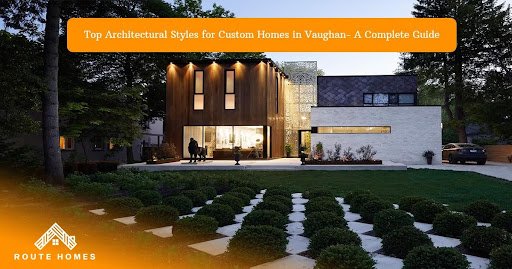
Modern Minimalism Takes Over
Okay, I’ll admit it – I used to hate these boxy glass houses. They looked cold, unwelcoming. Then I got invited to a housewarming party in one.
Game changer.
The whole back wall slid away (I’m not even exaggerating – the entire wall just vanished), turning the living room into this incredible indoor-outdoor space. Kids ran between the kitchen island and the pool deck like it was all one room. Adults gravitated toward the fireplace that somehow worked both inside and outside.
The homeowner, a software developer named Marcus, explained his thinking: “I travel constantly for work. When I’m home, I want space that breathes, that doesn’t feel like another box I’m trapped in.”
These houses work because they’re incredibly flexible. That stark aesthetic everyone complains about? It’s actually liberating. You can change furniture, art, even wall colors without fighting the architecture.
The downside? Privacy takes planning. Those gorgeous floor-to-ceiling windows mean your neighbors see everything. Smart builders now incorporate clever screening – landscaping, angled walls, strategic placement of solid surfaces.
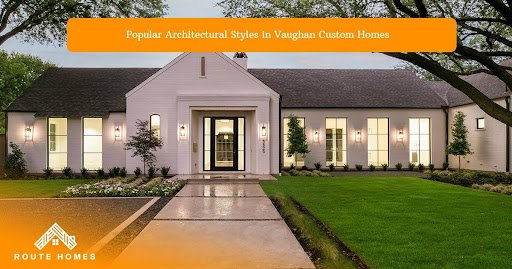
Transitional Style Wins Hearts (And Resale Values)
If I had to bet money on which style lasts longest, I’d pick transitional. It’s like the Toyota Camry of architecture – not the flashiest choice, but you’ll never regret it.
My cousin built one three years ago, and I swear it photographs differently depending on how she decorates. Christmas? Looks traditional and cozy. Summer with contemporary furniture? Suddenly it’s modern and fresh.
The secret sauce is restraint. Instead of committing fully to one era, these houses cherry-pick the best elements. You get the warmth of traditional materials – stone, wood, classic proportions – but with contemporary conveniences like huge closets, spa bathrooms, and tech-friendly wiring.
Real estate agents love them because they appeal to everyone. Young couples see possibility; established families see sophistication; empty nesters see timeless elegance.
French Country Dreams (For When You Want to Feel Special)
Full disclosure: I thought French-style homes were pretentious until I house-sat for neighbors who built one. Spending a week there changed my mind completely.
There’s something about walking through arched doorways and looking out diamond-paned windows that makes ordinary moments feel significant. Morning coffee becomes an event. Reading the newspaper turns into a ritual.
The owners, both doctors, told me they chose the style because their house needed to feel like a retreat. “We deal with life-and-death decisions all day,” the wife explained. “Coming home should transport us somewhere peaceful.”
But here’s what surprised me – these houses aren’t museum pieces. The good ones blend Old World charm with modern convenience seamlessly. That gorgeous stone fireplace? It’s gas and controlled by smartphone. Those romantic curved staircases? They include built-in LED lighting and aren’t actually any harder to navigate than straight ones.
The trick is finding builders who understand the style deeply enough to avoid the Disney castle trap. Done right, French-inspired homes feel authentic. Done wrong, they look like theme park attractions.
Neo-Eclectic: The Style Everyone Judges (But Secretly Understands)
Let me defend the much-maligned McMansion for a moment. Yeah, they mix architectural elements that probably shouldn’t go together. Yes, they prioritize impact over purity. But you know what? They work for a lot of families.
I know a couple with four kids, two home businesses, and extended family who visit constantly. Their neo-eclectic house has seven bedrooms, five bathrooms, a three-car garage, and spaces for everything from piano practice to woodworking. Try fitting that lifestyle into a minimalist modern box.
The style gets criticized because it’s not “pure” architecture. But purity doesn’t help when you need room for hockey equipment, craft supplies, and your mother-in-law’s month-long visits.
The newer ones are getting better too. Builders have learned to tone down the clash of styles, focusing on scale and proportion instead of just piling on features.
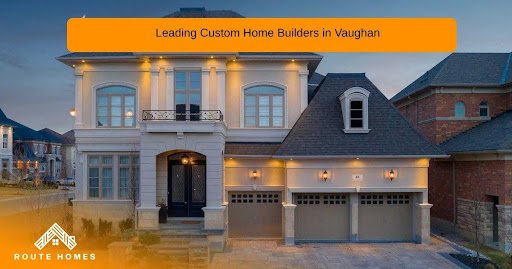
Heritage Styles: For People Who Value Permanence
Every neighborhood has that one house that looks like it’s been there forever, even though you watched them build it last year. That’s the power of heritage-inspired design.
The family who built a Georgian-style home near the library explained their choice perfectly: “We wanted something our great-grandchildren might inherit, not tear down.”
These styles work because they’re based on centuries of refinement. The proportions feel right because they’ve been tested by time. The materials age gracefully because they were chosen for durability, not just appearance.
But – and this is important – they only work if you commit fully. Half-hearted attempts at classical design look awkward. You need builders who understand that getting the details right matters more than square footage.
Neighborhood Personalities Emerging
Kleinburg: Where Money Meets Adventure
Kleinburg has become Vaughan’s playground for architectural risk-taking. The lots are huge, the neighbors are successful professionals, and everyone seems to be trying to build something nobody’s seen before.
I love driving through on weekends, checking out the latest construction. Last month I spotted a house that looks like it landed from the future – all angles and glass and materials I can’t even identify. Two streets over, someone’s building what appears to be a modern interpretation of a Tuscan villa.
The unifying factor isn’t style – it’s quality. Everything here is built to last, designed by architects, constructed by craftspeople who take pride in their work.
Woodbridge: Old School Meets New Money
Woodbridge tells Vaughan’s story in real time. Streets that used to be lined with 1990s neo-traditional homes now showcase this fascinating mix of old and new.
You’ll see a perfectly maintained original house, then a sleek contemporary replacement, then another original, then a French-inspired custom build. It creates this interesting visual timeline of changing tastes and growing wealth.
The coolest part? The new houses respect the established neighborhood rhythm. They might look completely different, but they maintain similar setbacks, landscaping themes, and overall scale.
Maple: History Lesson in Progress
Maple’s heritage designation means builders have to be creative. You can’t just tear down everything and start over – you have to work within guidelines that respect the area’s historical character.
The results are fascinating. Colonial and Georgian revival homes that look traditional from the street but hide contemporary surprises inside. I toured one that maintained its classical facade but opened into a completely modern great room with soaring ceilings and walls of glass facing the backyard.
It’s expensive to build this way, but the results feel authentic in a way that pure reproduction never could.
The Inside Story Nobody Talks About
Want to know the real difference between custom and spec homes? It’s not the fancy finishes or the square footage. It’s the way space actually works for your family.
Custom builders start with how you live, then design around that. Spec builders start with maximum square footage per dollar, then hope it works for someone.
I’ve been in $2 million custom homes where every room serves multiple purposes seamlessly, and $800K spec homes where half the space feels wasted because the layout doesn’t match how families actually function.
The smart custom builders I’ve met spend hours interviewing families about their daily routines. Where do kids do homework? How often do you entertain? Do you cook together or separately? Who needs privacy and when?
Those conversations shape everything – where outlets go, how much storage each room needs, whether spaces should be open or defined, how traffic flows through the house.
Green Building: Finally Making Financial Sense
Here’s something that’s changed dramatically in the last five years – energy efficiency has moved from “nice to have” to “essential for resale.”
Buyers now ask about heating costs, insulation ratings, and smart home systems during the first showing. They understand that spending extra on high-performance windows and advanced HVAC systems pays back through lower utility bills.
I know homeowners whose monthly energy costs are less than their old apartment bills, despite living in houses three times the size. That’s the power of building science applied properly.
Plus, the technology has gotten so much better. Smart thermostats learn your schedule. Automated blinds adjust throughout the day. Energy monitoring systems help you understand exactly where your money goes each month.
What’s Really Winning Right Now
After watching this market for years, here’s my honest assessment of what’s working:
Contemporary and transitional styles dominate new construction, and it’s easy to see why. They offer flexibility, photograph well for social media, and appeal to the broadest range of buyers.
French-inspired homes maintain a devoted following among people who want something special, even if it limits their potential buyer pool later.
Neo-eclectic is slowly losing ground to more architecturally coherent styles, but it’s not disappearing – families with complex needs still find it practical.
Heritage styles appeal to a smaller but passionate market of buyers who prioritize craftsmanship and timeless design over trends.
Finding the Right Builder (This Actually Matters)
Here’s what I’ve learned watching neighbors navigate custom builds: your builder choice matters more than your architectural style.
Good builders guide you through decisions you didn’t know you’d have to make. They catch problems before they become expensive mistakes. They manage timelines and budgets professionally.
Companies like Custom Home Builders Vaughan | Nicks Developments have earned reputations by delivering on promises – something that’s rarer in construction than it should be. Similarly, Custom Home Builder Vaughan | Crown Construction demonstrates the kind of collaborative approach that turns stressful projects into positive experiences.
The best builders don’t just construct houses – they solve problems, manage personalities, and somehow keep everyone happy while juggling permits, inspections, trades, and weather delays.
Where This All Leads
Watching Vaughan evolve has been fascinating. We’re becoming a city where architecture matters, where families invest in homes designed around their actual lives rather than settling for whatever’s available.
The pandemic accelerated trends that were already happening – the need for flexible spaces, the importance of outdoor connections, the value of quality over quantity.
Looking ahead, I expect even more sophistication. Homeowners are learning to think long-term, choosing materials and systems that improve with age rather than just looking good at the ribbon cutting.
The future belongs to homes that enhance daily life while respecting environmental limits. Vaughan’s got the land, the talent, and increasingly, the wisdom to make that happen.
Whatever style calls to you – sleek contemporary, comfortable transitional, romantic French, practical neo-eclectic, or timeless classical – this city offers the expertise to bring your vision to life. The question isn’t whether custom is worth it anymore. The question is: what story do you want your home to tell?
For more informative blog all the latest updates and insights

